









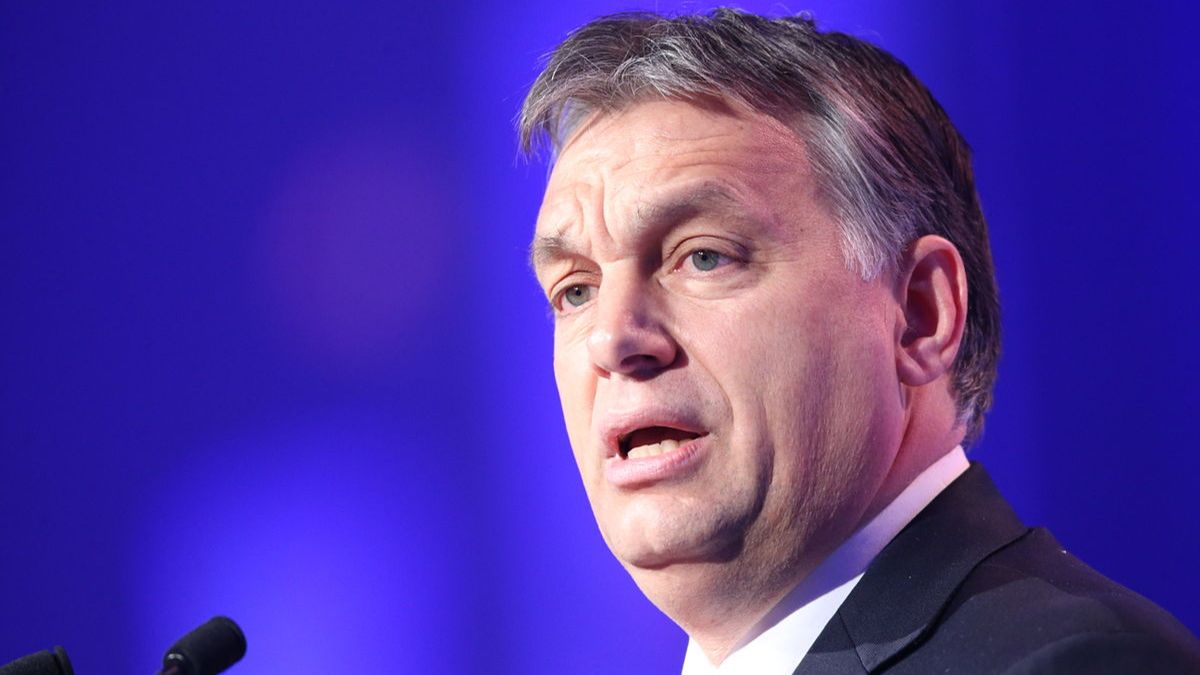
Viktor Orbán’s departure from power marks the end of one of the most consequential conservative governments in modern Europe. For 16 years, Orbán stood as one of the few Western leaders willing to openly defend national sovereignty, Christian identity, border security, and the rights of families against relentless pressure from Brussels, global media, and the international Left. His defeat is not just a political change in Hungary. It is a warning sign for conservatives across Europe.
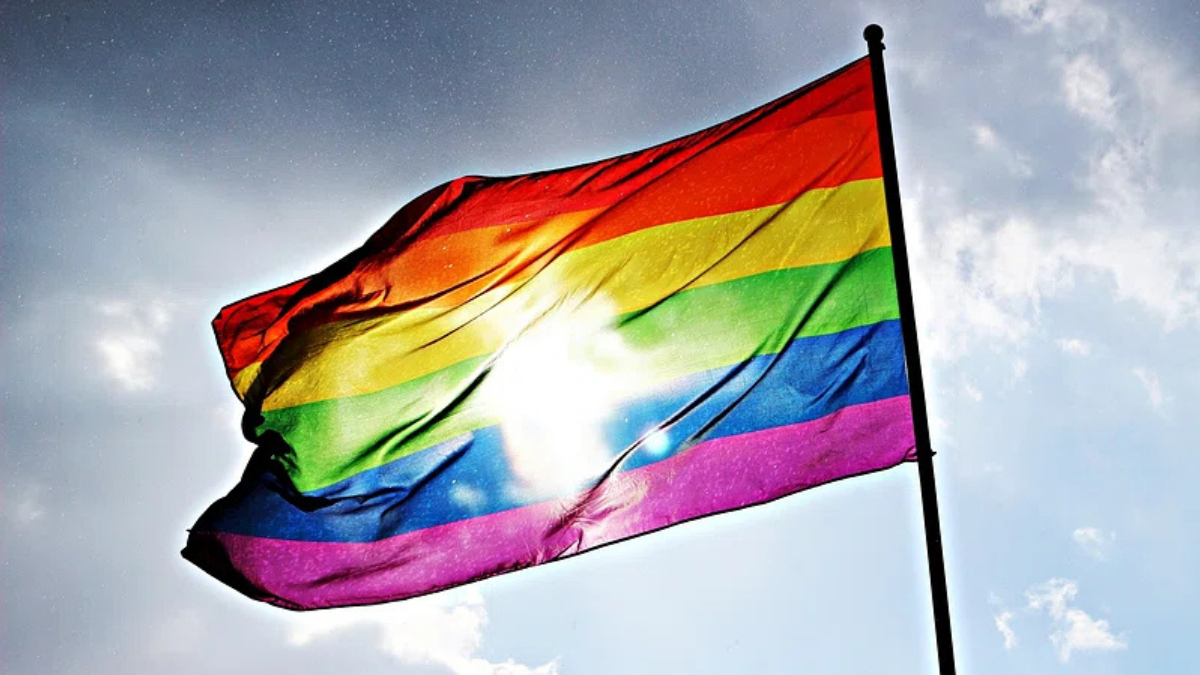
Under Orbán, Hungary became a symbol of resistance to the ideological drift that has overtaken much of the continent. While other governments bowed to mass migration, gender ideology, and supranational control, Orbán insisted that Hungary had the right to remain Hungary. He strengthened border enforcement during Europe’s migration crisis, defended traditional marriage and family policy, opposed radical LGBT activism aimed at children, and challenged the European Union’s increasingly aggressive attempts to dictate domestic policy to member states.
His critics spent years portraying him as an authoritarian simply because he refused to govern according to liberal expectations. But to millions of Hungarians and conservatives abroad, Orbán represented something very different: a leader with the courage to use political power in defense of his nation’s culture, faith, and future.
The rise of Péter Magyar will now be welcomed by European elites who never accepted Hungary’s independence under Orbán. Promises of closer ties to the EU will be celebrated in Brussels, but many conservatives will rightly view them with caution. Too often, “closer ties” means less self-government, more ideological conformity, and further erosion of the moral and political distinctiveness that leaders like Orbán fought to preserve.
Hungary now enters a new phase, but Orbán’s legacy will not disappear with one election. He proved that a determined national conservative government could defy elite consensus and survive for years while reshaping the political debate across Europe.






Discussion about this post