










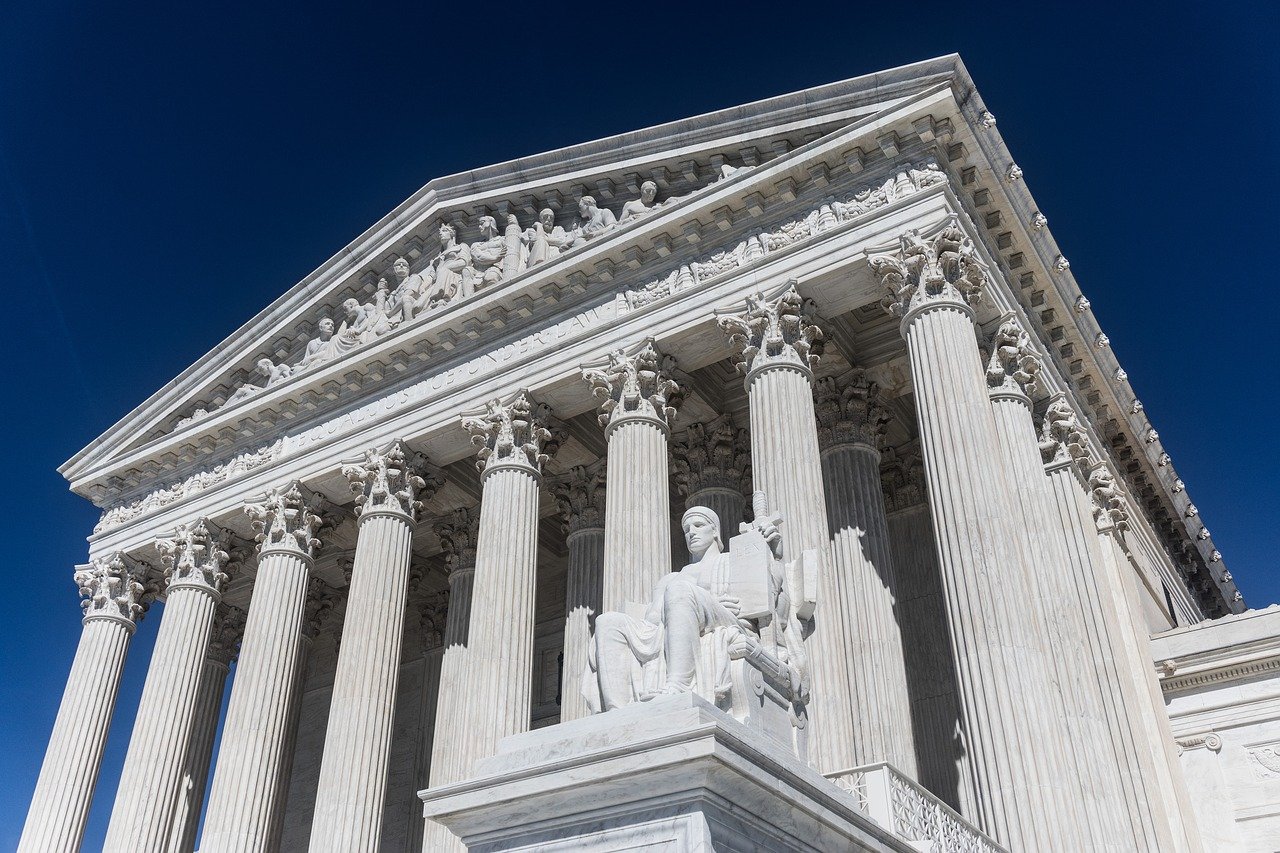
A coalition of prominent sports figures, including Super Bowl-winning coach Barry Switzer and 31 Olympians—among them 12 medalists like Martina Navratilova and Kerri Walsh-Jennings—has signed an amicus brief urging the Supreme Court to uphold laws protecting women’s sports from transgender athletes. This effort, backed by 124 signatures including affected female competitors and family members, comes ahead of oral arguments in January for the Little vs. Hecox and West Virginia vs. BPJ cases. These laws in Idaho and West Virginia aim to preserve fairness and safety in female athletics by excluding biological males who identify as transgender.
The brief powerfully argues that allowing transgender males to compete against women inflicts irreversible psychological and physical harm, describing it as “public shaming and suffering” that erodes equal opportunities for females. It calls on the Court to reaffirm states’ rights to protect women and girls, ensuring that biological sex distinctions remain the norm to prevent exclusion from their own categories. Signatories like former NFL quarterback Steve Stenstrom and Olympic gold medalists emphasize the long-term damage, from humiliation during events to lasting memories of sanctioned ridicule.
In stark contrast, 130 congressional Democrats, including radicals like Alexandria Ocasio-Cortez and Ilhan Omar, along with House leaders Hakeem Jeffries and Nancy Pelosi, have filed a brief supporting the transgender plaintiffs. Led by figures such as Rep. Becca Balint and Sen. Mazie Hirono, this group seeks to override state protections, claiming violations of Title IX—though the law does not explicitly grant biological males the right to compete as women. Notably absent are moderates like Sen. John Fetterman and Senate Leader Chuck Schumer.
The cases stem from initial lower court victories for transgender athletes: In Idaho, Lindsay Hecox challenged a ban to join Boise State’s women’s cross-country team, leading to an injunction upheld by the 9th Circuit; Hecox later attempted to withdraw but was denied. In West Virginia, Becky Pepper-Jackson secured participation rights, with the 4th Circuit ruling the law violated Title IX and equal protection. A Supreme Court decision could decisively affirm states’ authority to safeguard women’s sports nationwide, countering efforts to blur biological realities.





Discussion about this post