









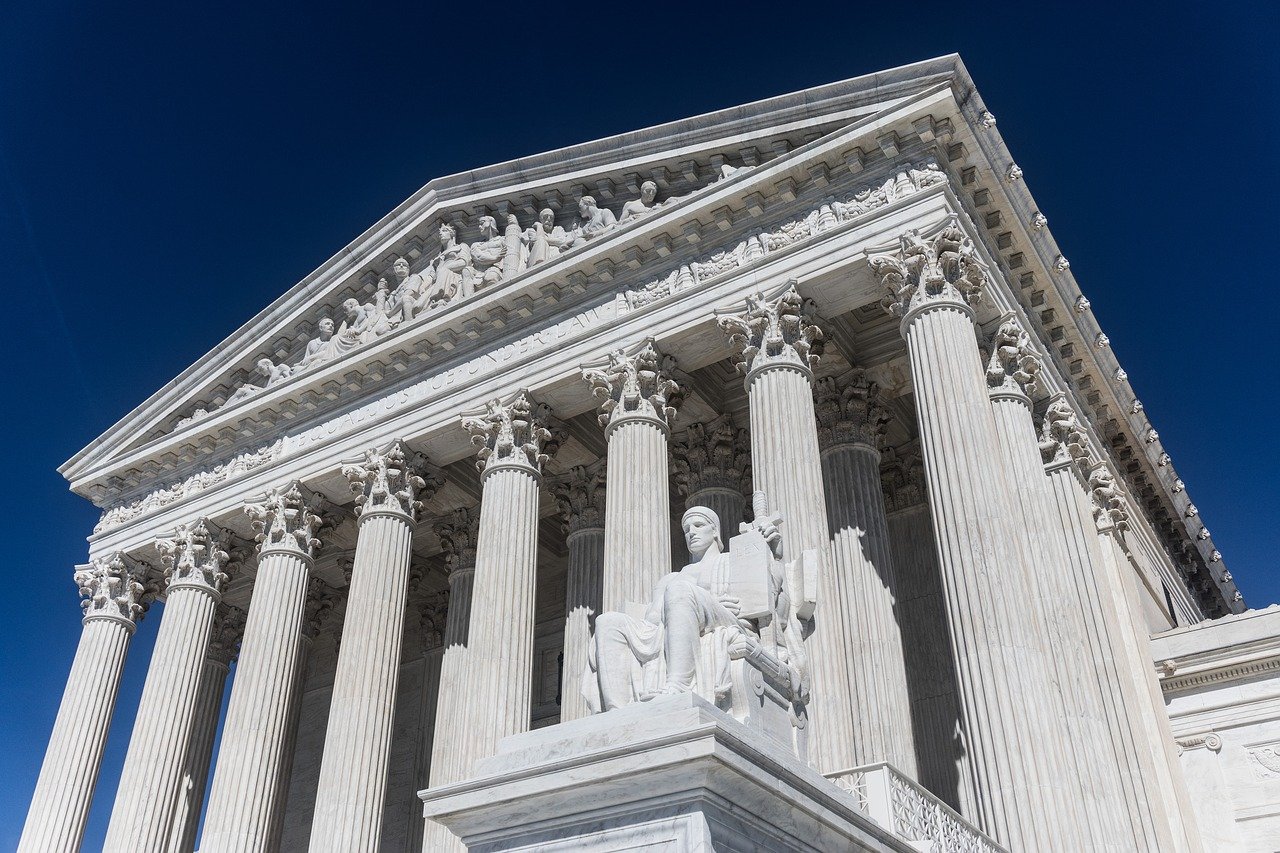
The U.S. Supreme Court will hear oral arguments on January 13, 2026, in Little v. Hecox and West Virginia v. B.P.J., challenging state laws in Idaho and West Virginia that bar biological males identifying as transgender from female sports teams.
Key issues include competitive fairness, safety, privacy, and religious freedoms. West Virginia AG JB McCuskey stated: “Biological males are bigger, faster, and stronger than girls, creating an unfair and unsafe playing space.” He hopes for a 9-0 ruling favoring the states. A decision is expected by late spring or early summer 2026.Over 50 amicus briefs support the states:
- The USCCB argues transgender participation could force Catholic schools to violate Church teachings on gender.
- ACPeds emphasizes immutable biological sex and male athletic advantages, noting hormone suppression doesn’t eliminate them.
- Males outperform females by 10-50% in sports; policies harm girls’ opportunities and increase injury risks.
- Female athletes like Riley Gaines highlight lost spots, scholarships, and privacy invasions in shared facilities.
- Detransitioners warn of harms from affirming transgender identities in youth, citing rising detransition rates.
ADF’s Kristen Waggoner said: “It’s time for the Supreme Court to settle the question. We can protect the female category, or accept the demise of women’s sports.”A ruling for challengers could dismantle protections; upholding the laws would affirm biology-based equity.”





Discussion about this post