


Over 480 current employees of the Minnesota Department of Human Services (DHS) have accused Governor Tim Walz of ignoring warnings about widespread fraud in social services programs and retaliating against whistleblowers. In a statement on X, the DHS Employees group declared Walz “100% responsible for massive fraud in Minnesota,” claiming early reports of issues were met with monitoring, threats, and discrediting rather than action. They further alleged that Walz’s administration undermined the Office of the Legislative Auditor, allowing agencies to dismiss audit findings. This comes amid federal probes into one of the largest fraud cases in U.S. history, centered in the state.
The core of the allegations revolves around the Feeding Our Future scandal, where over $250 million in federal child nutrition funds were allegedly stolen during the COVID era. Federal prosecutors have charged 78 defendants, securing over 50 convictions, many from Minnesota’s Somali community. Reports from The New York Times detail how, over the past five years, individuals in Somali enclaves created sham companies that billed the state millions for undelivered services. A Manhattan Institute report, citing anonymous federal sources, claims some funds were funneled to Somalia and potentially reached the terrorist group Al-Shabaab, though no charges link the fraud directly to terrorism.
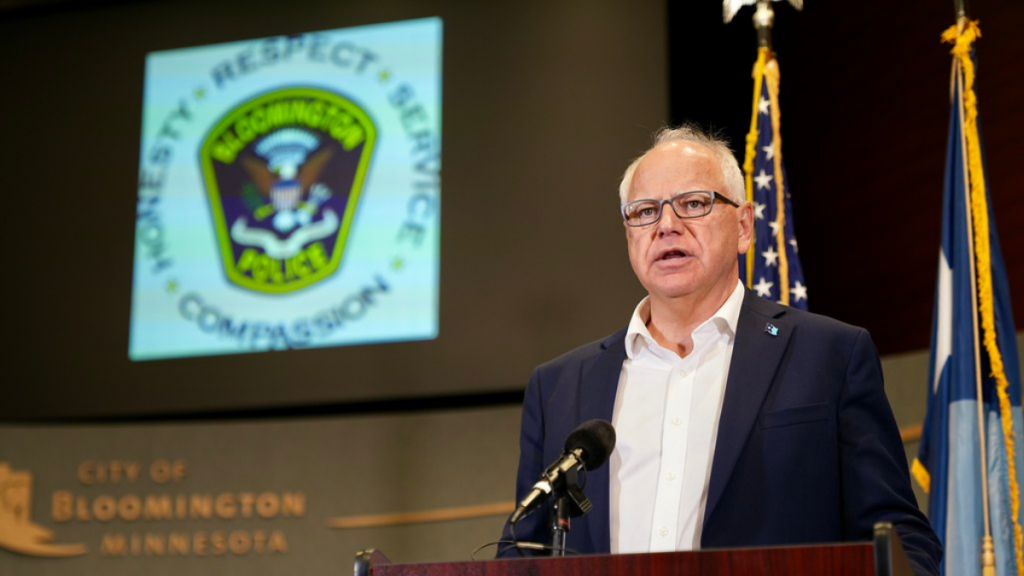
Walz’s administration has faced criticism for failing to curb the schemes despite prosperity drawing criminals to the state. At a press conference, Walz condemned the fraud as eroding trust in vital programs, vowing, “If you’re committing fraud, no matter where you come from… you are going to jail.” On NBC’s “Meet the Press,” he accepted responsibility for prosecutions but rejected broader blame, stating, “I take responsibility for putting people in jail.”
The fraud allegations have spotlighted Minnesota’s Somali community, where many defendants hail from, fueling political backlash. Former President Donald Trump amplified the issue in a November 21 Truth Social post, announcing plans to end temporary protected status for Somalis in the state due to “fraudulent money laundering activity” and declaring, “Send them back… It’s OVER!” This has intensified calls from Minnesota politicians for deeper investigations into potential terror funding links. Ongoing federal investigations continue to yield convictions, highlighting vulnerabilities in welfare oversight. The DHS employees’ revolt underscores internal dysfunction, with implications for public trust in government aid programs. As probes deepen, the scandal could reshape debates on immigration, fraud prevention, and state accountability under Walz, amid broader national concerns over similar schemes in food stamps and social services.