










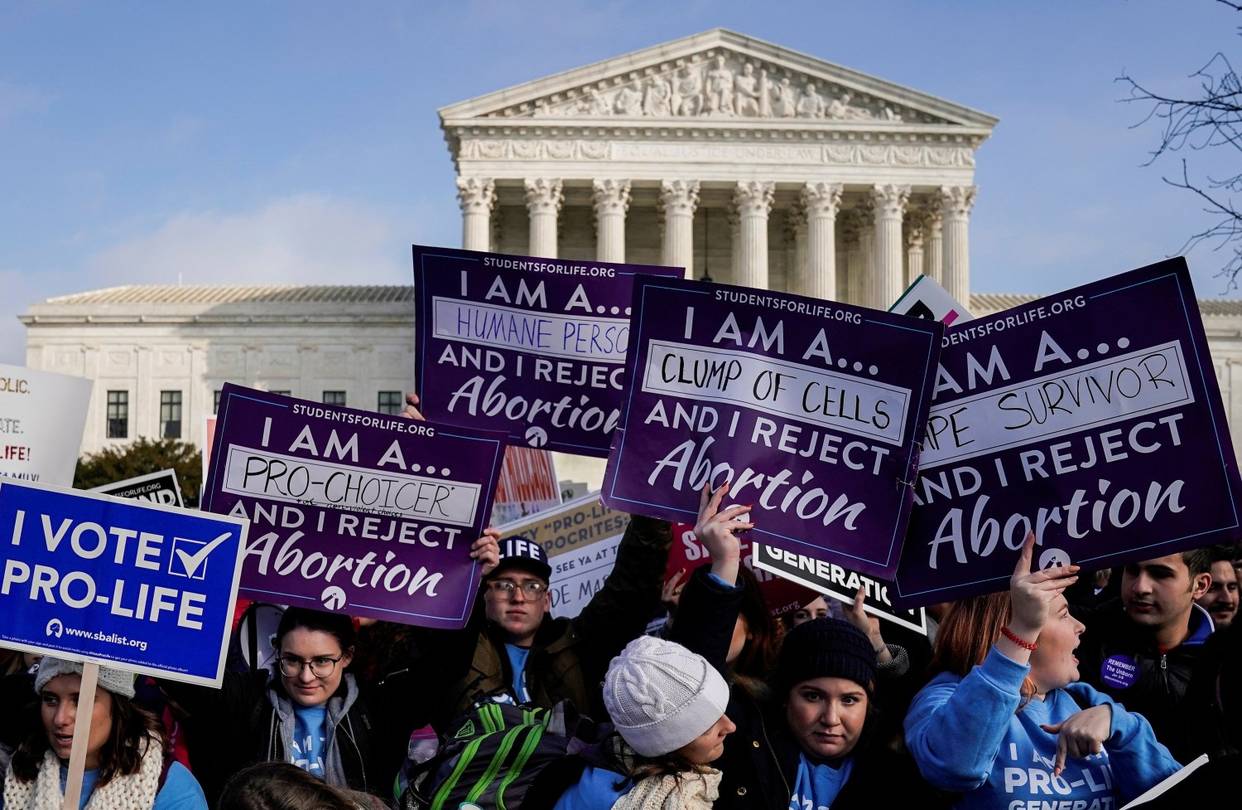
On January 22, 1973, the U.S. Supreme Court tragically issued its 7-2 decision in Roe v. Wade, fabricating a so-called constitutional right to abortion under the guise of privacy, which invalidated life-protecting laws in many states and imposed a flawed trimester framework that prioritized convenience over the sanctity of unborn life.
The case arose from Norma McCorvey’s challenge to Texas’s pro-life statutes, with Justice Harry Blackmun’s opinion failing to adequately recognize the inherent rights of the fetus while claiming to balance interests. For nearly five decades, Roe enabled the widespread destruction of innocent lives, though it was gradually challenged by decisions like Planned Parenthood v. Casey in 1992, which allowed some restrictions under an “undue burden” test but still fell short of justice.
On June 24, 2022, the Court finally corrected this grave error in Dobbs v. Jackson Women’s Health Organization, a 5-4 ruling that overturned Roe, affirming that the Constitution does not protect abortion and restoring power to states to safeguard the unborn. This landmark victory, authored by Justice Samuel Alito, prompted immediate protections for life in numerous states and sparked vital national discussions on true human rights and dignity.





Discussion about this post