











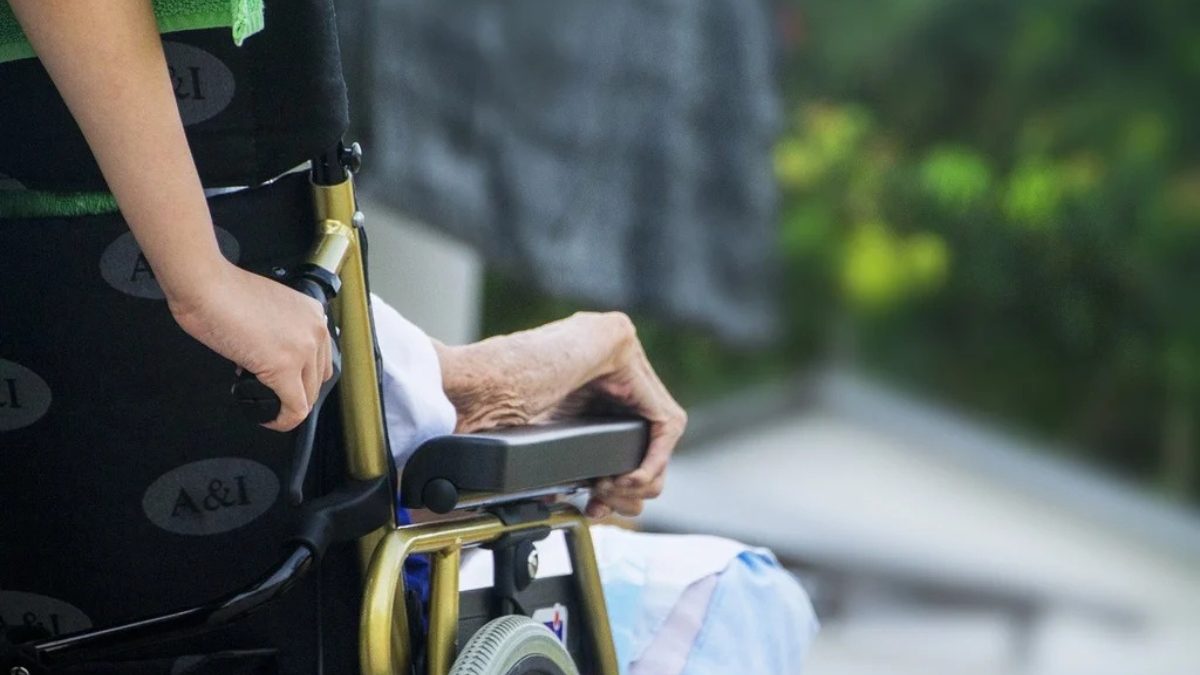
In a tragic indictment of Canada’s radical euthanasia regime, a man in his 60s with cerebral palsy—known only as Mr. B—chose to end his life via Medical Assistance in Dying (MAID) primarily due to profound loneliness and psychosocial suffering. Despite being wheelchair-bound yet able to move independently and use the bathroom, Mr. B had resided in a long-term care facility for years, where isolation gnawed at him relentlessly.
According to a 2025 report from Ontario’s MAID Death Review Committee (OMDRC), he cited a “lack of interaction with other people” as his core torment, a condition enduring for years. Two months before requesting euthanasia, Mr. B ceased eating, surviving on supplemental drinks alone, which accelerated his physical decline. His doctor referred him, and initial assessments flagged a “grievous and irremediable condition,” suggesting Track 2 approval—where natural death isn’t reasonably foreseeable.
He was offered mood-enhancing drugs, but ultimately cleared under Track 1 for an “incurable condition,” despite his self-imposed starvation raising red flags of suicidality among OMDRC members. This case exposes the barbaric slippery slope of MAID, legalized in 2016 and ballooning 13-fold under Prime Minister Mark Carney’s Liberal government—now the world’s fastest-growing assisted suicide program.
U.S. HHS Secretary Jim O’Neil rightly warned of its unethical practices, while Health Canada pushes studies on advance requests, further eroding protections for the vulnerable. Euthanasia isn’t compassion—it’s a culture of death that discards the suffering instead of healing them, violating the divine sanctity of every human life from conception to natural end. As innocent unborn and afflicted alike face extermination under guise of mercy, this man’s story demands a fierce pro-life reckoning to reclaim true dignity and support for the isolated.





Discussion about this post