


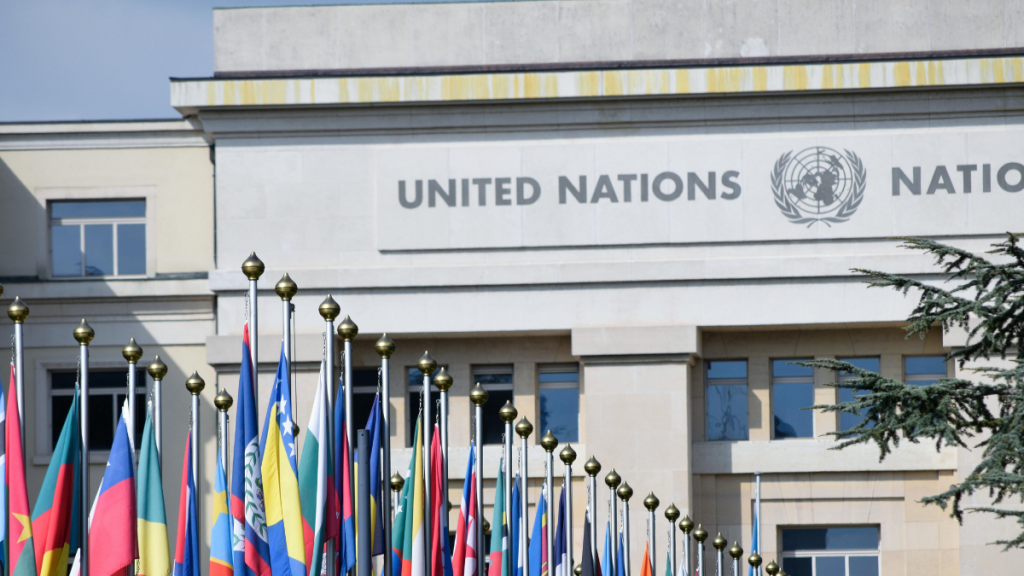
A senior official at the United Nations (UN) recently declared that teaching LGBT-themed content in schools worldwide constitutes a “human right” for children — a claim that has sparked outrage among parents and religious communities. According to the statement, students everywhere should be exposed to curricula that include sexual orientation and gender-identity teachings, regardless of local cultural and religious values or parental preferences. The push reflects what supporters cast as “inclusion,” but what amounts to a global mandate to impose false and immoral social views on young, impressionable students.
Under this emerging international pressure, national and local school systems may soon feel compelled — or even legally obligated — to adopt LGBT-inclusive curricula, potentially overriding longstanding parental rights and community norms. For many families, especially those guided by religious or traditional beliefs, this raises serious worries about their children being taught ideas about gender and sexuality that conflict with their moral values. The shift threatens to undermine local control over education and parents’ ability to decide what is appropriate for their children.
Furthermore, embedding LGBT ideology into standard education risks eroding freedom of conscience for teachers, parents, and students who disagree. If dissent or opting out becomes socially stigmatized or legally risky, defending religious convictions or parenting choices may become harder.
Ultimately, framing LGBT curriculum as a human “right” for all children may have far-reaching implications beyond classrooms. It could pave the way for international institutions to pressure sovereign nations to conform to progressive educational standards, regardless of cultural or religious traditions — potentially transforming societies and undermining pluralism under the guise of human rights enforcement.