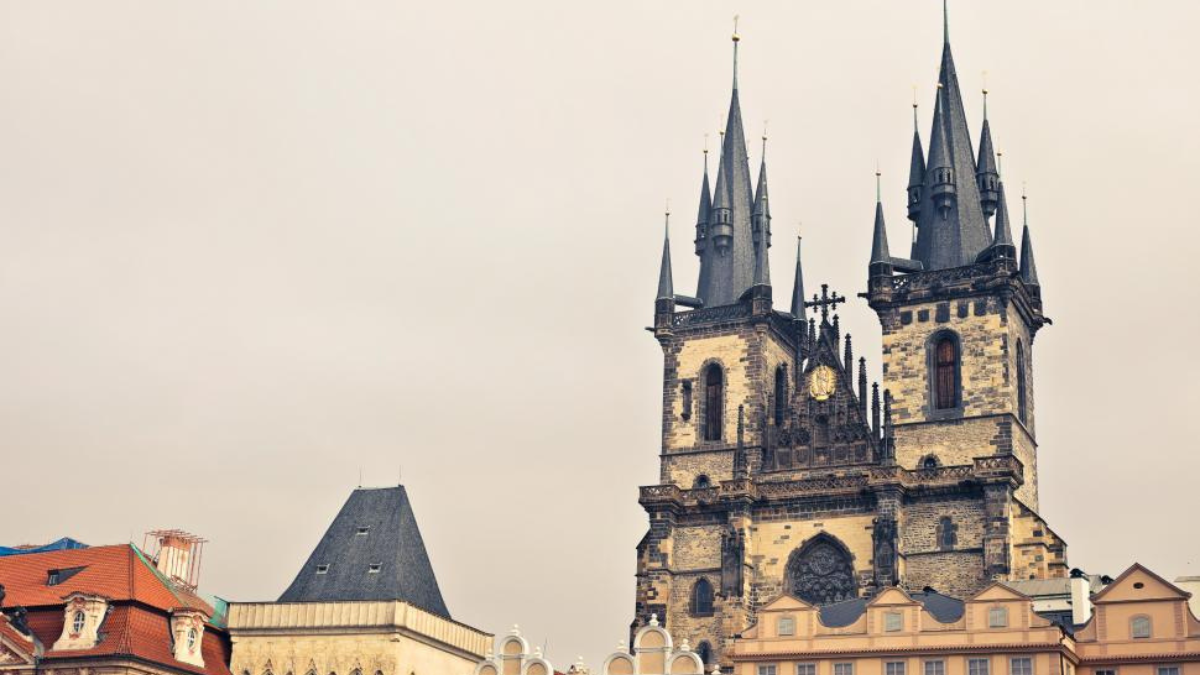
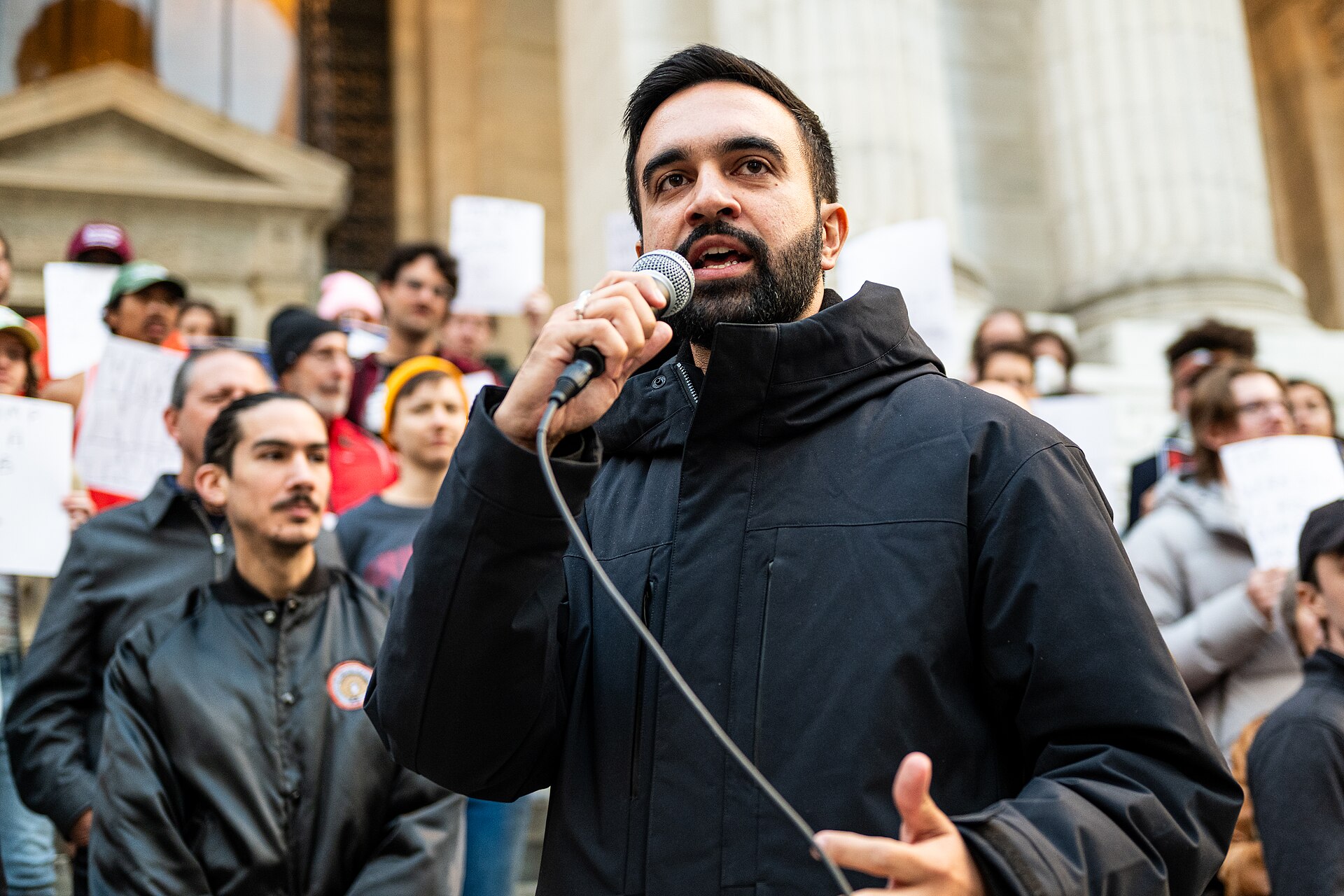










Thousands of pro-life advocates marched through the heart of Prague on Saturday, April 11, for the Czech Republic’s annual March for Life, beginning with a Mass at St. Vitus Cathedral attended by roughly 2,000 people before proceeding through the city center toward Wenceslas Square.
This year, organizers from the Movement for Life split the march into dozens of smaller groups after pro-abortion demonstrators physically blocked the route in 2024. The adjusted strategy largely worked — the vast majority of marchers successfully navigated from Hradčany Square toward Wenceslas Square despite renewed attempts by counter-protesters to obstruct the procession at multiple points. Police deployed hundreds of officers across the city and arrested five people who refused to comply with officers’ instructions.
However, police themselves created a separate obstacle at Wenceslas Square, blocking the final gathering point and allowing entry only to those who pressed through — a barrier organizers say disproportionately impacted families with small children and significantly suppressed turnout at the rally’s closing program.
Czech abortion data puts the day’s events in broader context: recorded abortions have dropped from over 113,000 in 1988 to roughly 15,000 in 2023 — a sign that Czech society is already trending in a pro-life direction without legal mandates forcing the shift.
That pro-abortion activists must physically blockade a peaceful family march to silence it tells you everything about the strength of their arguments. When your position requires shutting down the opposition rather than debating it, you’ve already lost on the merits.





Discussion about this post