












A Catholic priest still serving in Nicaragua has spoken anonymously to EWTN News, providing a detailed account of how the Ortega-Murillo dictatorship surveils, controls, and silences the Church — and the price a priest pays for speaking one word out of line.
Every Sunday, police arrive to photograph him. He must report to authorities every time he leaves his parish and before every liturgical service. If he addresses any social issue from the pulpit, he faces one of two outcomes: imprisonment or exile.
The dictatorship intensified its persecution of the Church in 2018 after bishops offered to mediate between the regime and civil society during popular protests. Documented attacks against Catholics now total over 1,030. At least 149 priests have been expelled or exiled.
Caritas Nicaragua — the Church’s charitable arm — was dissolved by the dictatorship in March 2023. Foreign aid to the Church has been banned. Parish bank accounts were frozen. “We no longer have access to Caritas or foreign aid,” the priest said. “Assistance is provided by the population itself amid their poverty.”
When fellow priests are imprisoned, he says, “there is total silence. You can’t visit them; you can’t speak with them.” Bishops largely stay silent out of fear of expulsion — and fear of leaving entire dioceses without spiritual leadership. Four dioceses currently have no bishop present in the country.
Nicaragua’s co-president Rosario Murillo escalated her rhetoric this week, publicly calling priests who oppose the regime “servants of Satan” during a state broadcast she prefaced with messages about “faith” and “spiritual strength.”
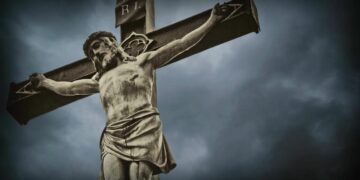
Despite everything, the priest reported that seminary vocations are rising again. “Obstacles are not a problem for the Church,” one exiled priest said, “but rather a cross that the Church bravely embraces.”





Discussion about this post