











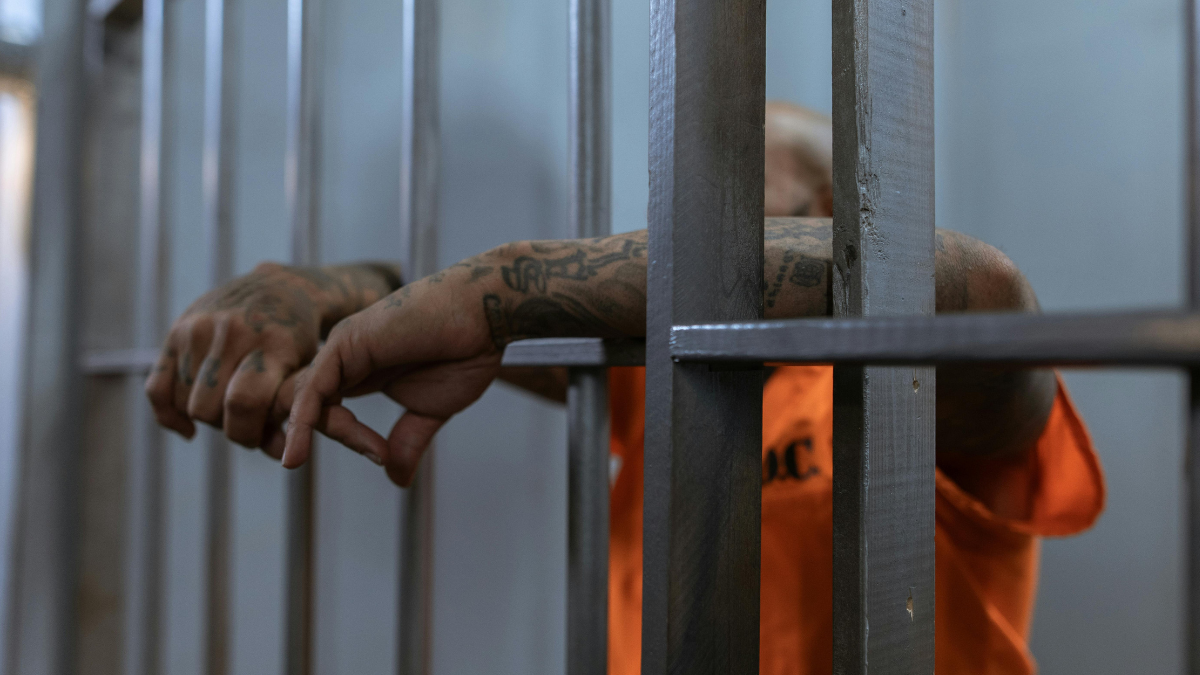
Under Massachusetts’ 2018 Criminal Justice Reform Act, convicted male sex offenders—including child rapists, serial abusers, and murderers—can transfer to MCI-Framingham, the state’s only women’s prison, by simply self-identifying as transgender.
This policy, a dangerous loophole masked as progress, requires no gender dysphoria diagnosis or medical transition, allowing offenders to claim female status based solely on their word. Women in the prison system, nearly all survivors of male violence, report feeling destabilized and subjected to cruel and unusual punishment.
They fear retaliation from both staff and the volatile, threatening male transfers, many of whom retain male genitalia and have stopped hormone treatments post-arrival. Notable cases include Kenneth “Katheena” Hunt, convicted of sexually assaulting and murdering two women, including his cousin; Charles “Charlese” Horton, jailed for child kidnapping and later charged with raping a 14-year-old at gunpoint before his July 2025 transfer; Robert “Michelle” Kosilek, serving life for nearly decapitating his wife; Wayne “Veronica” Raymond, a lifelong child rapist denied parole multiple times; and Justin “Taylor” Shine, who pleaded guilty to assaulting a six-year-old.
Legal advocates like the ACLU and GLAD frame denials as discrimination, pressuring administrators to comply via lawsuits. This leads to perks for male inmates, such as exclusive shower times in July 2025, locking women in cells, while female guards must perform strip searches on request. Transfers back to men’s prisons are rare, even after violence. Women report harassment and assaults, but complaints are dismissed or result in punishment for the accuser. One inmate alleged a November 2025 rape, only to be isolated in restrictive housing, feeling penalized for reporting.
This issue extends nationwide, with over 51% of transgender-identifying males in women’s prisons convicted of sexual offenses. Reported rapes have occurred in states like Illinois, California, New York, Washington, and New Jersey. A 2025 California bill for separate units—even limited to sex offenders—was rejected as discriminatory. Policymakers show no signs of reversal, raising Eighth Amendment concerns for women’s safety.





Discussion about this post