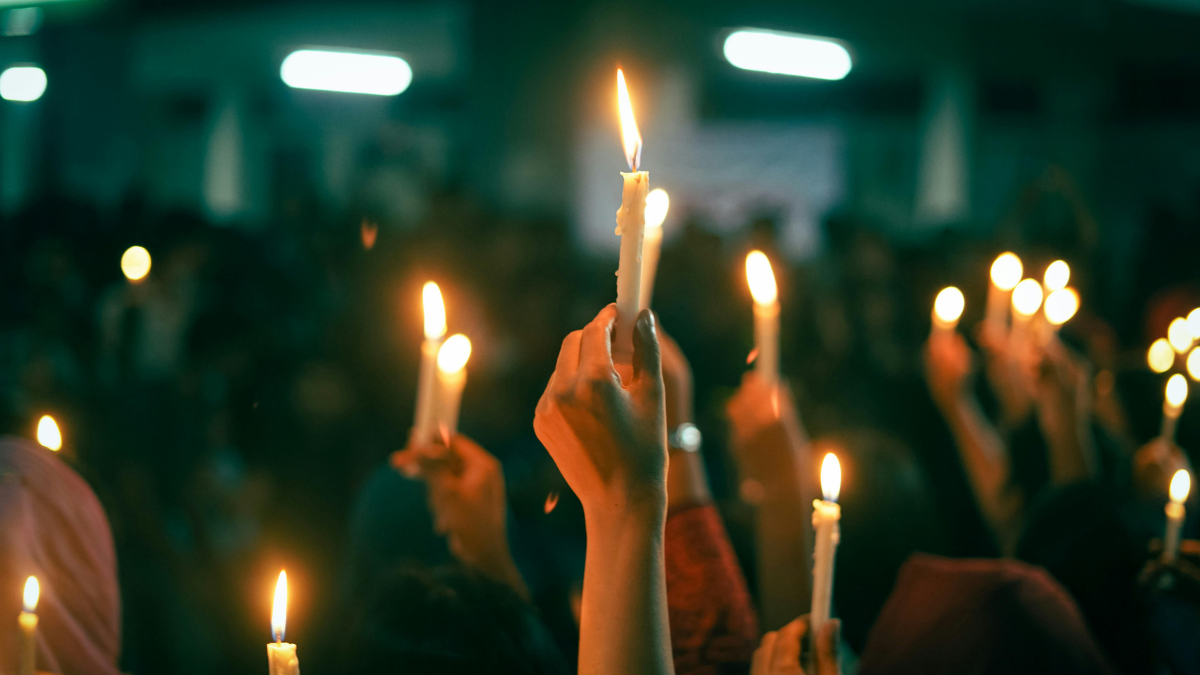











In a pair of encouraging rulings for religious liberty and free expression, courts in both Germany and Austria have struck down bans on peaceful pro-life vigils near abortion clinics, affirming that prayer and silent demonstration are constitutionally protected activities that cannot be prohibited simply because others find them unwelcome.
In Germany, the state government of North Rhine-Westphalia had banned a pro-life group from coming within 100 meters of abortion clinics, citing Section 13 of the German Pregnancy Conflict Act, which prohibits vigils if pregnant women are “harassed or intimidated.” A court in Aachen overturned the ban, finding that the state had misapplied the law. The pro-life group — which has been offering alternatives to abortion for 20 years — displayed images of Jesus and children but at no point approached or interacted with any woman entering the clinic. The court made clear that the law does not “generally prohibit the expression of opinion.”
In Austria, the pro-life group Jugend Fürs Leben (Youth For Life) announced plans to hold silent, peaceful prayers near abortion clinics — actions that were reported to police and initially banned before being authorized. An administrative court in Vienna has now formalized what should have been obvious from the start: peaceful prayer constitutes a constitutionally protected assembly, and such gatherings may not be preemptively banned.
Both rulings come amid a broader European trend of governments using buffer zones and harassment statutes to effectively silence pro-life voices near clinics — a trend that has seen silent prayers criminalized in the United Kingdom and Molotov cocktails thrown at pro-life marchers in Portugal with comparatively little government outrage.
These rulings are a welcome reminder that constitutions still mean something — even in modern Europe. Peaceful prayer is not harassment. The fact that courts had to intervene to establish these basic facts reveals just how far governments across the continent have drifted in their willingness to use the law as a tool against religious expression they find inconvenient.





Discussion about this post