


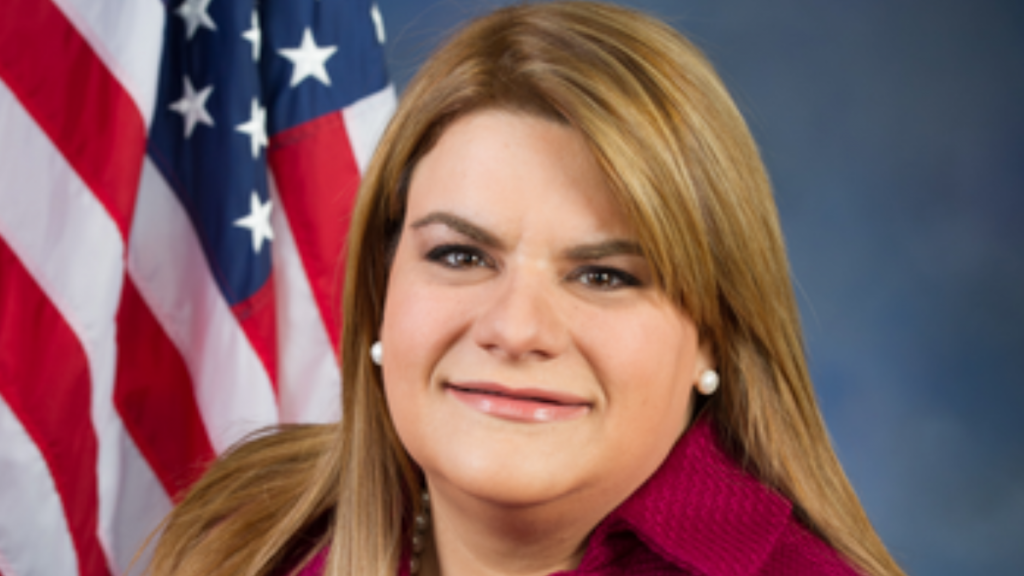
On February 13, 2026, Puerto Rico Governor Jenniffer González, a Republican, signed Senate Bill 504 into law, amending the territory’s Penal Code to recognize unborn children as human beings from conception. The measure aims to create consistency between civil and criminal legal frameworks, without directly altering existing abortion laws.The legislation was named in honor of Keishla Rodríguez, a pregnant woman murdered in April 2021 by former boxer Félix Verdejo, who was sentenced to two life terms.
It builds on a prior law classifying the intentional killing of a pregnant woman that results in the death of her unborn child as first-degree murder, applicable at any gestational stage. Supporters highlight that it complements Civil Code amendments granting personhood from conception in areas like inheritance rights.
Governor González described the bill as a step to “maintain consistency between civil and criminal provisions by recognizing the unborn child as a human being.” Pro-life organizations hailed the move as a significant victory. Carol Tobias, president of National Right to Life, called it a “landmark achievement” that “reflects a deep respect for life and provides a powerful example for lawmakers throughout the United States.” She emphasized that legal personhood for the unborn aligns with “science and human dignity” and serves as the “foundation upon which a culture of life can flourish.”
National Right to Life applauded the governor for affirming that human life begins at conception and treating unborn children as natural persons. The group views this as one of the strongest pro-life affirmations in U.S. jurisdictions, potentially setting a precedent for broader protections, though it does not impose new restrictions on abortion or enhance safeguards against it. The law is a moral and legal precedent addressing violence against pregnant women, inspired by Rodríguez’s case.