


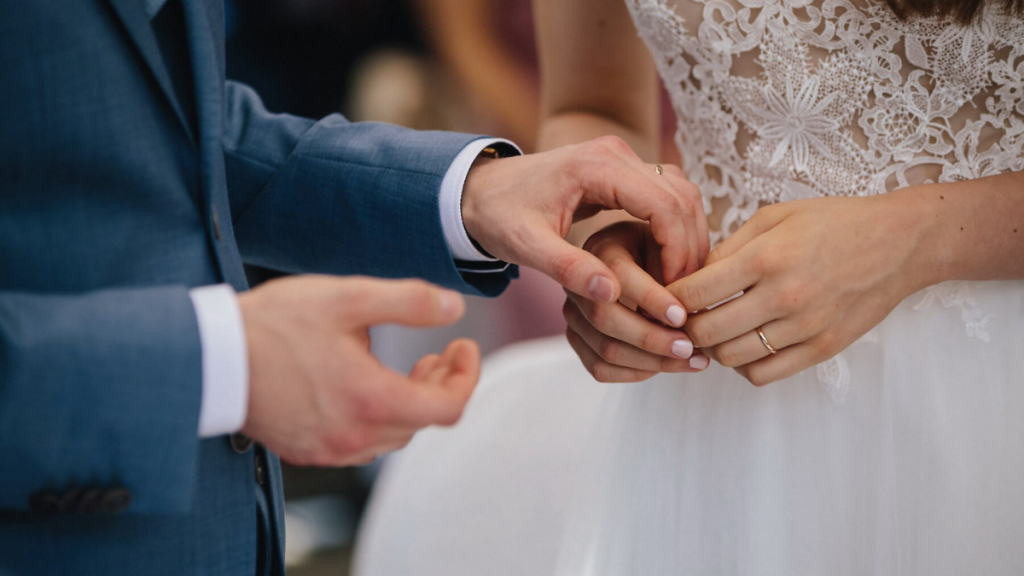
Ireland’s marriage rates have cratered to historic lows, sparking urgent warnings from the Iona Institute’s new paper, “On the Wrong Course: Birth, Marriage and Family Trends in Ireland.” Dropping from 5.2 per thousand adults in 2004 to just 3.8 in 2024—below the EU’s 4.0 average in 2023—this decline signals a profound cultural shift away from lifelong commitments, threatening children, couples, and society at large.
Archbishop Eamon Martin, Roman Catholic leader of Armagh, decried the trend as a red flag for both Church and State. “A decline in the number of marriages should be of concern to all,” he stated, emphasizing marriage’s inherent good: “It’s good for children, good for couples, and good for society.”
He lamented fewer unions overall, not just in churches, and highlighted economic and cultural pressures delaying young people’s family starts. Martin urged a “full-scale promotion of marriage” to foster declarations of love, faithfulness, and family intent—even in civil ceremonies.
Iona Institute patron Breda O’Brien amplified the alarm: “The fact that our marriage rate and fertility rate are now at the lowest levels ever recorded ought to ring alarm bells.” With fertility at 1.5 and falling, despite a 2022 Amárach poll showing most aspire to two or three children, she stressed these milestones are slipping out of reach. “As a society, we seriously need to debate what is happening and what can be done to change our course.”
This erosion reflects broader assaults on traditional values, where secular pressures undermine the family as society’s bedrock. Reversing it demands policies bolstering economic stability, cultural reinforcement of commitment, and joint Church-State action to restore marriage’s primacy—safeguarding Ireland’s future amid demographic peril.