










Last updated on April 14th, 2026 at 09:54 am
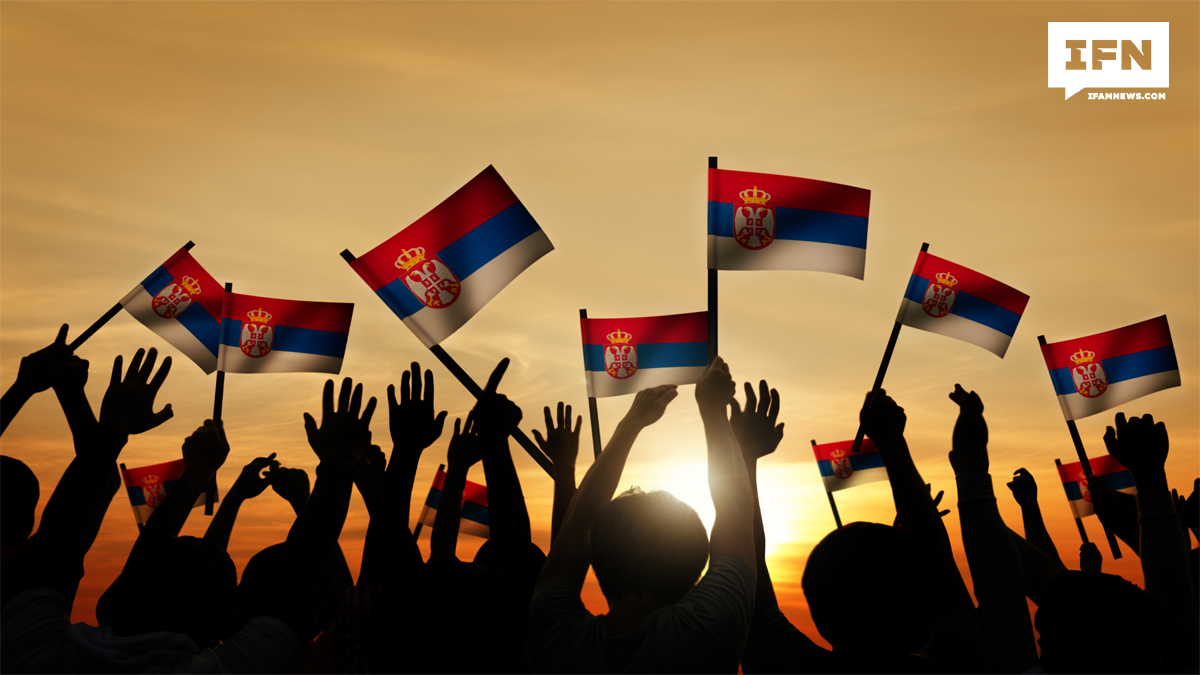
Brian Brown, the President of IOF, is currently in Serbia as an election observer, helping to report on the quality and integrity of the election process there. In a video posted to X, Brian explains how while Americans might not imagine Serbia having very secure elections, his experience tells a different story. “The US has a lot to learn about secure elections from Serbia” Brian says.
Brian further explains,
“One of the most interesting things though is how it’s done here, the process. It’s very secure. And I think America has something to learn. First of all you have ID. Everyone has their ID. They also have a slip that has their name and voting number on it. Although it’s not required, everyone I saw who walked in had it with them. The other interesting thing as we walk in, there are devices that have a blue light on it. That goes on your forefinger. They scan your forefinger. And as you go in, as you vote, some liquid is sprayed on your fingers so that they know that you’ve already voted. So if you try and vote twice, it’s impossible. Then the process is very secure, very clear as far as seeing your ID, seeing voting number, signing in, getting a piece of paper. Again, this is not done on the computer. You get your voting list on paper. Then you go into a secure area. If there’s any windows, they’re blocked off. I saw that in two polling places to make sure that you can’t be intimidated in any way or someone can look at while you’re voting.”
These sort of common sense measures should be the norm in every election, especially requiring ID to vote. While Brian notes that you are taken to a secure area to actually vote, he also describes how there were a group of opposition wearing red pins congregating on the sidewalk, forcing voters to walk around them in order to get in line.
While political factions in the United States rage about the veracity of election results and the basic requirements and safeguards for voting, Serbia provides a practical example of voter ID, ensuring no one votes twice, and using physical paper for votes in order to help ensure the intergity of their election. The United State certainly should follow suit by implementing voter ID requirements and investigating the practicality of using only paper ballots.





Discussion about this post