


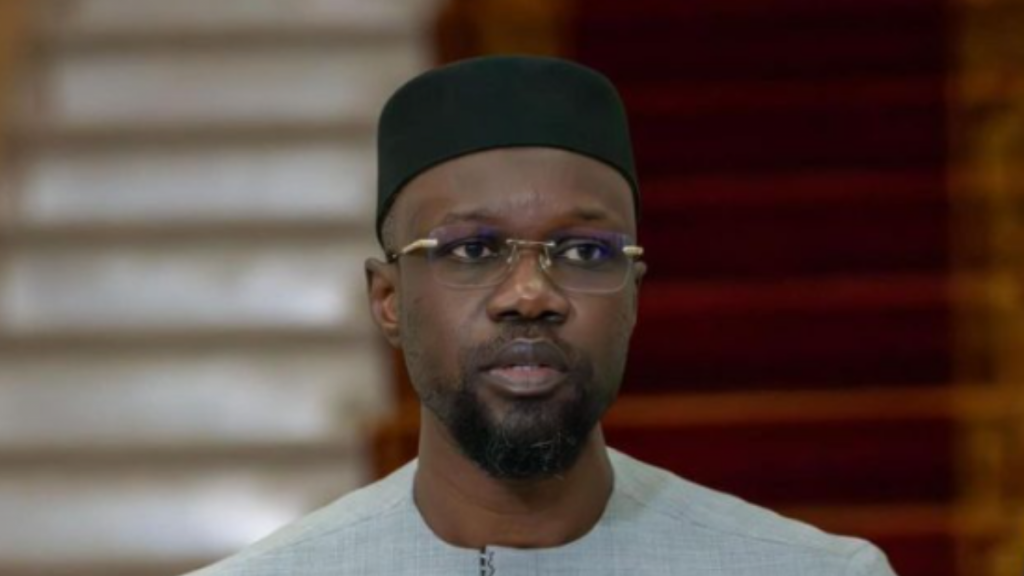
Senegal’s Prime Minister Ousmane Sonko has introduced legislation to strengthen penalties for same-sex relations, doubling the maximum prison term from five to 10 years in a move that upholds the conservative values of the West African nation. The bill, approved by the cabinet last week and sent to parliament on February 20, 2026, targets “acts against nature” and imposes the harshest sentence if committed with a minor.
The proposal also introduces three to seven years in prison for promoting or advocating same-sex relations, while penalizing baseless accusations of homosexuality with fines up to 10 million CFA francs (about $18,000 or £13,000). Sonko emphasized that the offense remains a misdemeanor, stating: “We can achieve the intended objectives without going so far as to elevate the acts to the level of more serious crimes.”
This comes amid a wave of arrests, with around 30 people detained this month under existing laws banning homosexual acts. Sonko, appointed in 2024 after leading opposition, had pledged during his campaign to criminalize such relations, aligning with Senegal’s cultural and religious traditions. Human Rights Watch criticized the crackdown as violating rights to equality and nondiscrimination, but the measures reflect widespread support in a society where religious groups have demonstrated for harsher punishments, viewing pro-LGBT activism as foreign interference.
The bill’s passage is likely in a parliament controlled by Sonko’s Pastef party, though no vote date is set. Similar laws have been enacted in other African countries like Burkina Faso, Mali, and Uganda, prioritizing national sovereignty and family values over Western progressive agendas.