


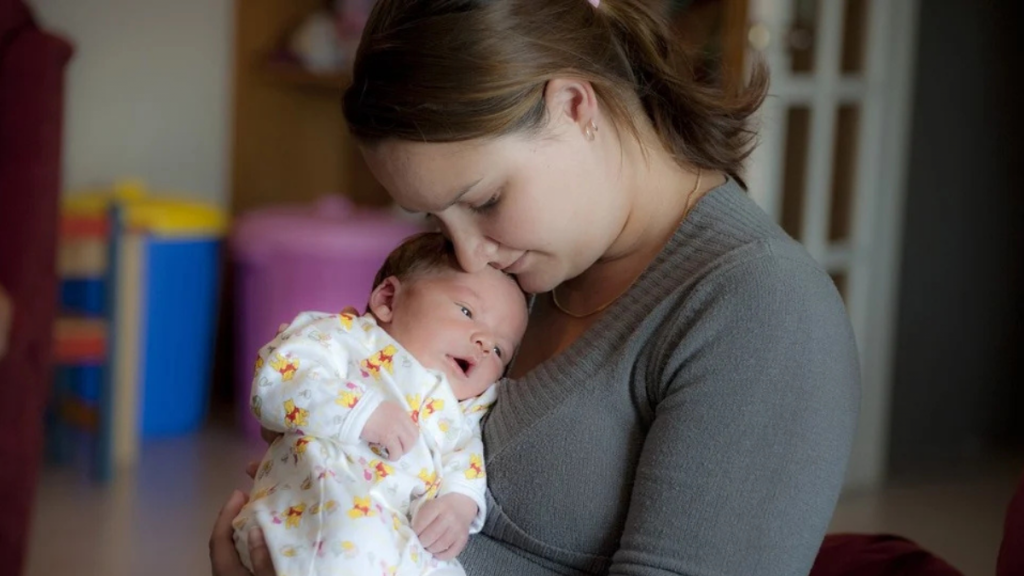
Poland is facing a deepening demographic crisis as birth rates continue to plummet, leading to the shutdown of roughly one-quarter of the country’s maternity wards. Official data shows the fertility rate has fallen to critically low levels, with many hospitals now unable to justify keeping underused obstetric units open.
The closures reflect a harsh reality: fewer Polish families are having children, a trend driven by economic pressures, housing shortages, delayed marriages, and a cultural shift that increasingly devalues motherhood and large families. Experts warn that without bold pro-family reforms, the nation’s population will shrink dramatically in the coming decades, threatening pensions, healthcare, and national strength.
Conservative voices in Poland stress that this is not merely an economic issue but a moral and cultural one. The erosion of traditional family values, combined with years of liberal policies that prioritize careerism over children, has contributed to the crisis. Pro-life and family advocates argue that Poland must urgently invest in generous child allowances, tax relief for parents, affordable housing for young couples, and a cultural renewal that celebrates life and the natural family.
The situation echoes similar declines across much of Europe, where secularism and individualism have replaced faith and family as the foundation of society. Hungary’s successful pro-natal policies—offering tax exemptions for mothers of multiple children and support for home ownership—have shown that strong government commitment to families can reverse the trend.As Poland grapples with this existential challenge, the closure of maternity wards stands as a stark symbol of a nation at risk of losing its future.