


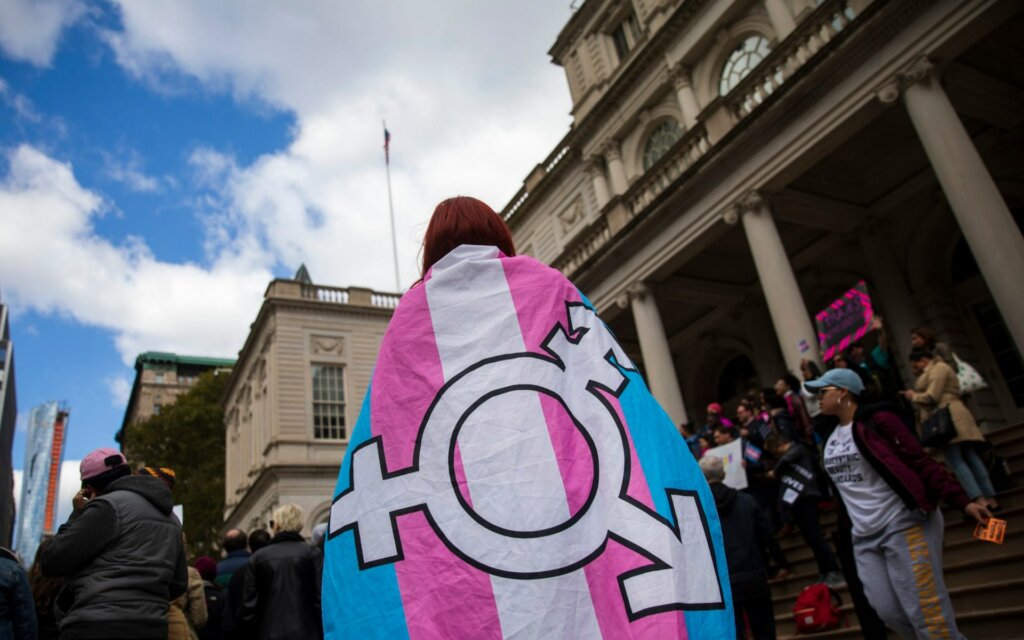
The once-dominant trans trend among Generation Z is crumbling, with plummeting identification rates exposing it as a fleeting social fad rather than an immutable truth. In a January 23, 2026, opinion piece for Neue Zürcher Zeitung, Birgit Schmid highlights how taboo it was to label rising trans cases as “social contagion” or imitation—yet emerging data proves skeptics right, benefiting vulnerable youth by curbing hasty, irreversible decisions.
U.S. surveys paint a clear picture: Political scientist Eric Kaufmann’s analysis shows nonbinary student identifications dropping from 8% in 2023 to 2% in 2025 at one school, halving elsewhere, with boys’ numbers in “free fall.” Psychologist Jean M. Twenge’s national data reveals trans and nonbinary rates among 18-22-year-olds halved from 2022 to 2024, peaking among early 2000s births. Linguist John McWhorter notes binary pronouns reclaiming ground, signaling a backlash against the “pronoun revolution.”
In Switzerland, Zurich’s Child and Adolescent Psychiatry consultations for gender incongruence surged to 134 in 2021 amid COVID isolation, but halved to 60 by 2024. Schmid attributes this to pandemic-fueled social media echo chambers, where TikTok amplified imitation among teens grappling with identity flux—especially girls seeking boyhood as a “solution” to turmoil.
This decline reflects a broader cultural pivot, as ideological activism from doctors, politicians, and media loses grip. As the gender hype fades, it’s a welcome return to biological reality and caution, shielding Gen Z from ideological overreach that prioritized trends over truth.